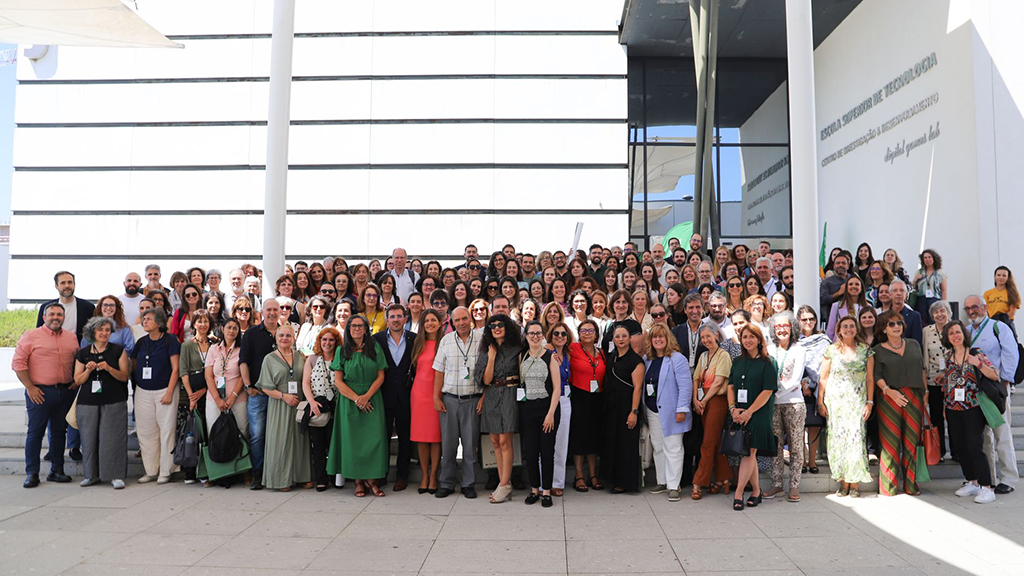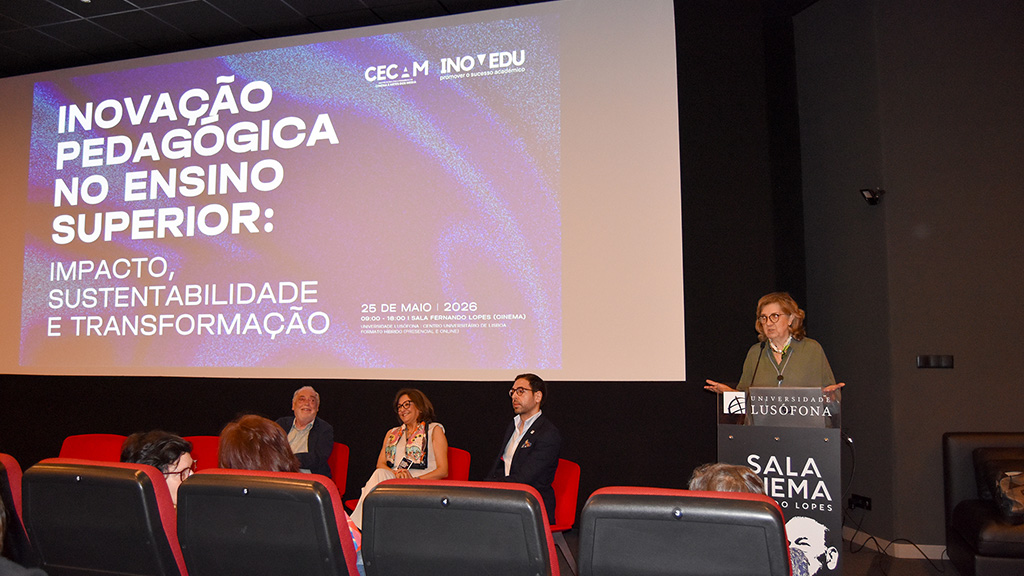
On 25 May, Lusófona University hosted the conference “Pedagogical Innovation in Higher Education: Impact, Sustainability and Institutional Transformation”, an initiative forming part of the CECAM and INOVEDU projects, which brought together experts, leaders and representatives from higher education institutions to reflect on the challenges and opportunities of pedagogical innovation in Portugal.
The opening session featured a speech by Patrícia Rosado Pinto, President of the National Council for Pedagogical Innovation in Higher Education (CNIPES), who highlighted the importance of pedagogical innovation as a driver of transformation in higher education institutions, promoting quality, inclusion and academic success.
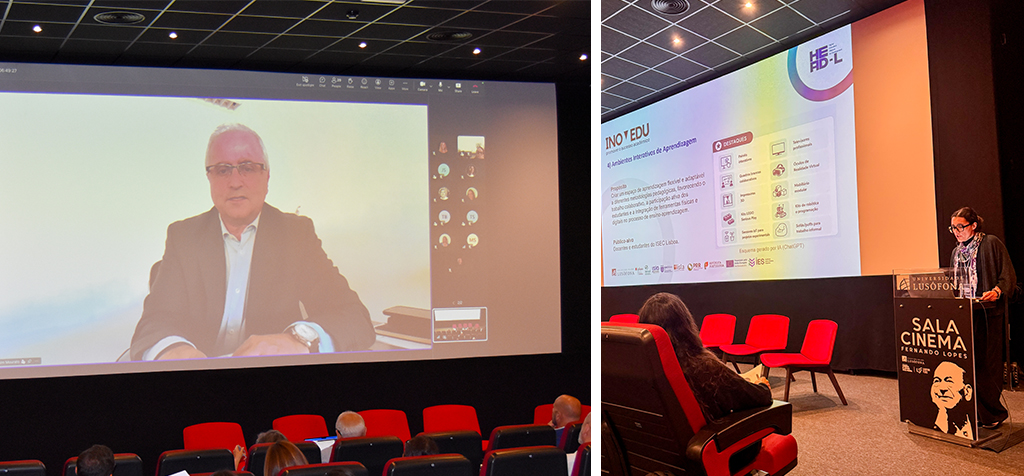
The meeting brought together representatives from projects funded by the Recovery and Resilience Plan (PRR), with particular emphasis on the CECAM consortium, comprising the Lusófona University, ISEC Lisboa – Instituto Superior de Educação e Ciências, Ipluso – Instituto Politécnico da Lusofonia, ISLA Gaia, ISMAT – Instituto Superior Manuel Teixeira Gomes and ESAP – Escola Superior Artística do Porto, institutions that collaborate to promote pedagogical innovation and the transformation of higher education.
Throughout the day, results were presented, best practices were shared, and strategies were discussed for the renewal of teaching methodologies, the digitisation of learning, the professional development of teaching staff, and the promotion of students’ academic success.
The programme also featured a presentation by Joaquim Mourato, Chair of the Governing Board of the Institute for Higher Education, who addressed the current challenges of institutional transformation in higher education and the importance of pedagogical innovation for the sector’s future.
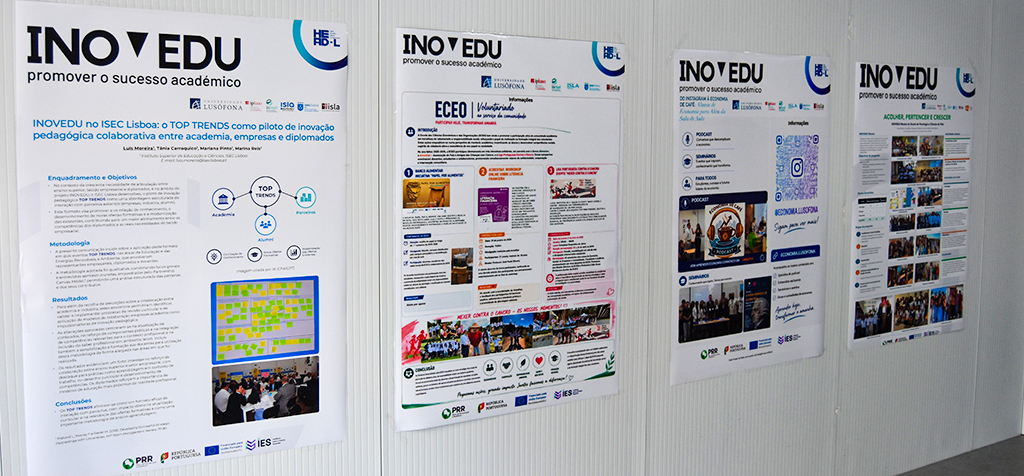
The conference also included an exhibition of scientific and pedagogical posters, showcasing projects, experiences and results developed by the participating institutions in the field of pedagogical innovation, thereby promoting the sharing of knowledge and the dissemination of best practices within the academic community.
The conference provided an important forum for collaboration between institutions, reinforcing the participating entities’ commitment to a higher education system that is more innovative, sustainable and aligned with the needs of contemporary society. The strong presence of the institutions that make up the CECAM consortium highlighted the active role of APESP members in promoting collaborative projects that contribute to the modernisation and enhancement of higher education in Portugal.